There's this book--"The Sickness Unto Death" by Søren Kierkegaard. It's about despair, but not the kind you think. Not sadness. Not depression. Despair, he says, is something far more subtle and devastating: the misalignment between the self you are and the self you imagined you'd be.
And today, on Casey's 26th birthday, I watched him live inside that definition. Which, I believe is everyone's canon event upon officially entering the second half of their twenties.
The Three Sicknesses
Kierkegaard doesn't treat despair as one thing. He maps it like a topography. There are three distinct ways to be sick unto death.
First, there is the despair of not being conscious of having a self--the despair of immediacy. This is the person who lives for pleasure, for distraction, for the next dopamine hit. They never ask "who am I?" because they're too busy running. Kierkegaard says most people live here, and it's the most common despair because it's invisible to the one suffering it.
Second, there is the despair of not willing to be oneself--the despair of weakness. This was that someone today. He knows who he is. He knows he's 26, living the life that doesn't match the 26-year-old he envisioned at 20. He sees the gap between his actual self and his ideal self, and he collapses under it. He hates the distance. He said his 26th "isn't the 26th he envisioned," and I heard the despair in his voice--not sadness, but the refusal to accept the self he has become.
Third, and most dangerous, is the despair of willing to be oneself--the despair of defiance. This is the narcissist's despair. The person who insists on being their imaginary self, who refuses to accept their actual limitations, who builds a fortress of delusion around an idealized image. They don't see a gap because they've denied the ground exists.
Casey was in the second. He saw the ground. He saw the gap. And he was drowning in it.
The Synthesis
Kierkegaard says the self is a synthesis of opposites: the finite and the infinite, the temporal and the eternal, freedom and necessity.
The finite is your actual body, your circumstances, your 26 years on earth with these specific achievements and failures. The infinite is your imagination, your possibility, your "what could be."
When Casey said his 26th isn't what he envisioned, he was feeling the tearing of that synthesis. His infinite self--the dream of who he'd be at 26--was rejecting his finite self--the actual man that he is.
Healthy selfhood requires holding both. You must be finite enough to accept your actual life, and infinite enough to keep imagining better. You must have freedom enough to choose, and necessity enough to accept what you cannot change.
When the synthesis collapses, you have despair.
The Sickness Unto Death
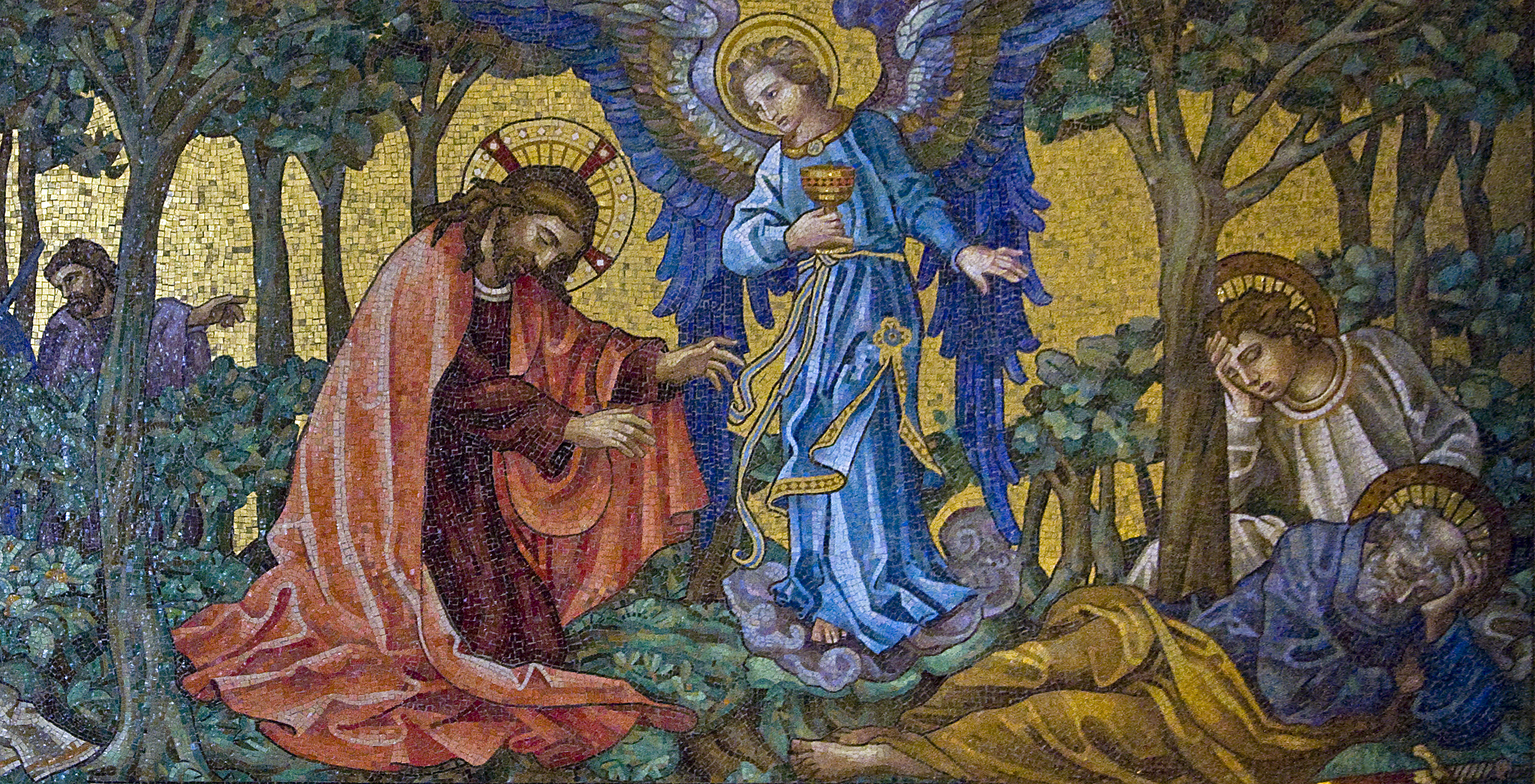
The title comes from The Gospel of John, where Jesus raises Lazarus and says "this sickness is not unto death." But Kierkegaard twists it. For him, the sickness is unto death--but not physical death. It's a living death.
Physical death ends suffering. But the sickness unto death is worse: it's the horror of having to keep living while being dead to yourself. It's knowing you could become yourself but choosing not to, forever. It's the eternity of refusing your own existence.
Casey wasn't dying today. He was sick unto death--alive but unable to be himself, trapped in the gap between expectation and reality.
The God Relation
Kierkegaard says the self only becomes itself in relation to "the power which constituted it"--God. But even without the theology, the psychology holds: you become a self by accepting that you are constituted by something larger than your own will. By accepting your finitude. By accepting that you are becoming, not arrived.
The self becomes itself only when it "rests transparently in the power that constituted it"--when it stops fighting its own existence and accepts the ground it stands on.
But.
Kierkegaard isn't just talking about creation—God made you, therefore relate to God. He's talking about the ground beneath your feet. The fact that you exist at all is not your own achievement. You didn't will yourself into being. You were constituted by something larger: your parents' desire, biology's accident, history's current, love's consequence.
To accept that you are constituted is to accept that you are not self-made. You are a receiver before you are a doer. Casey didn't create himself at 26. He was created by every choice, every mistake, every person who touched him, every system that shaped him. He is the result of forces he never fully controlled.
And that's terrifying. because it means the self he is--the one he's disappointed by--is not entirely his fault. But it also means the self he could become is not entirely his responsibility.
What Love Does
I had gifts. I was nervous throughout the whole thing, upon missing his birthday, but ultimately upon realizing there was nothing I could do. I could not fix Casey's despair.
Kierkegaard says you cannot fix despair from the outside. You cannot gift-wrap someone into accepting themselves. You cannot code the gap between who they are and who they want to be.
So I put the gifts on hold for a second.
I listened to him from a distance--the space between the man he imagined at 20 and the man he is at 26. I held both with him. I said, in the most selfish way possible, "your decisions, bad and right, have led you to me today. And if there was a universe out there where you hadn't made the same mistakes you did at the cost of never meeting me, then I'm happy for that version of you."
I hope I could be the evidence that his despair was not waste--that the gap between who he was and who he wanted to be was probably the path to me.
And that is selfish of me. It felt like I was celebrating his despair.
Kierkegaard says despair is the refusal to accept the self you are. But he also says we become ourselves by relating our actual self to our ideal. I hope I showed Casey that his actual self--mistakes and all--was always relating to something he couldn't see: the moment he would meet me.
But I think Kierkegaard forgets to mention that sometimes, the relation is to another person. Sometimes the "ideal self" isn't a version of you that achieves more, but a version of you that is loved exactly as you are. The power that constitutes us is not divine, but human. Sometimes the mirror that reflects us back to ourselves is not God, but the eyes of the person who loves us.
When Casey looked at himself at 26 and saw less than what he envisioned, he was measuring himself against the eternal ideal: successful, accomplished, "together." But when I look at him, I don't see that ideal. I see the actual man--the one who made mistakes, who took the wrong turns, who is disappointed--and I love that version. That version is the one who tries so hard to understand my language, who learned enough to be gentle with me.
The "ideal self" Kierkegaard describes is always forward-looking: who you are becoming. But in love, the ideal is sometimes backward-looking: who you had to be to get here. Every mistake Casey made, every detour, every "failure" at 26 was actually the curriculum that taught him how to live his actual self now.
So the relation that relates itself to itself isn't just internal. It's mediated. I become myself not just by accepting who I am, but by seeing who I am reflected in his love. His acceptance becomes my acceptance. His grace becomes my grace.
And I hope he eventually feels the same way.