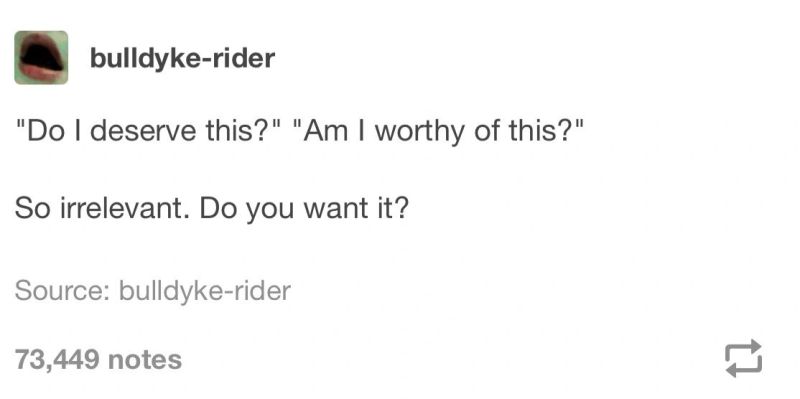
I’m a firm believer in the idea that if you couldn’t achieve something, it wasn’t meant to be yours. I believe there are things our minds cannot comprehend. I believe that our wants and wishes are sometimes unmet because they are not meant to be ours to begin with. We are sharpened by the desire for more, and polished by the acceptance of having less. We should not be buoyed by the smooth-sailing parts of life, and if fate sometimes allows us to have less than what we originally wanted, we simply have to accept it. After all, if we get everything, what would be left to be grateful for?
But how do you know when something is "not meant to be" versus "not meant to be yet"?
When you finally stop pushing, there's a settling. Not a resignation, but release. The thing you wanted doesn't haunt you. You can look at it and genuinely think, "that wouldn't have fit who I became anyway."
The thing is, we can't always comprehend it in the moment. Sometimes we only know which it was after time has passed and we see where we landed. The practice isn't knowing the difference immediately; it's trusting the letting go either way. Because whether it's "not yet" or "never," the work is oftentimes the same: accept, grow, yet stay open.
Don't deny heaven just because you were given hell--and believed that it was what you deserved--once. You've got to stay open. Remain gentle throughout the violence of it all. Be the flower that grows through the cracks. Yet accept it. Accept that it felt like hell. Accept that you couldn't achieve what you wanted.
Most people swing between bitterness and numbness when things don't work out. We have to remain the softest and kindest part of ourselves so that the people around us don't have to fix something they didn't break. So they wouldn't have to be punished for a mistake they didn't make.
But there's something else that is worth naming: the risk of it.
When we decide to be soft so others don’t have to fix us, we can accidentally create a prison of performative wellness. We become so good at appearing unbroken that no one knows we need help--and then we’re alone with it.
The philosopher Emmanuel Levinas wrote in his book "autrement qu'être ou au-delà de l'essence" about ethics as “responsibility for the other,” but he also warned about losing oneself in that responsibility. There’s a difference between not punishing people for our pain and hiding our pain entirely.
(I will go into depth on this book in the next blog entry.)
The truth is, you can be hurting and still be whole. You can be disappointed and still be present. The people who love you don’t need you to be unbroken—they need you to be real. And “real” sometimes means saying, “I’m not okay today, but that’s not yours to fix.” That boundary, that honesty, is what keeps softness from becoming a prison.
So how do you know when to keep waiting and when to walk away? Maybe you don’t. Maybe that’s not the point. Maybe the wisdom isn’t in figuring out the timeline, but in learning how to hold both things at once: the hope and the surrender, the wound and the willingness, the hell you walked through and the heaven you still believe exists.
You let go not because you’re sure something better is coming, but because your hands are tired. And in that exhaustion, you find something unexpected—not peace, exactly, but room. Space to breathe. Space to become whoever you’re meant to be next.
The flower doesn’t grow through concrete because it’s strong. It grows because it found a crack where the light gets in. Your softness is that crack. Your staying open is how the light reaches you. And the people who matter won’t ask you to fill the gap--they’ll just be glad you let them see it.
But enough about other people. Let's talk about you.
To answer the question for you, it all depends on how much you really want it and your willingness (or the lack thereof) to settle.
Maybe the settling is the signal. When you start convincing yourself that the lesser version would be “good enough,” that’s when you know something has already slipped away. Not because fate took it, but because you let go of the true shape of what you wanted.
And conversely, when you still can’t stomach the substitutes, when every compromise feels like a small death--that’s the body keeping the score. It’s telling you the original desire is still alive, still yours, even if the timeline is uncertain.